


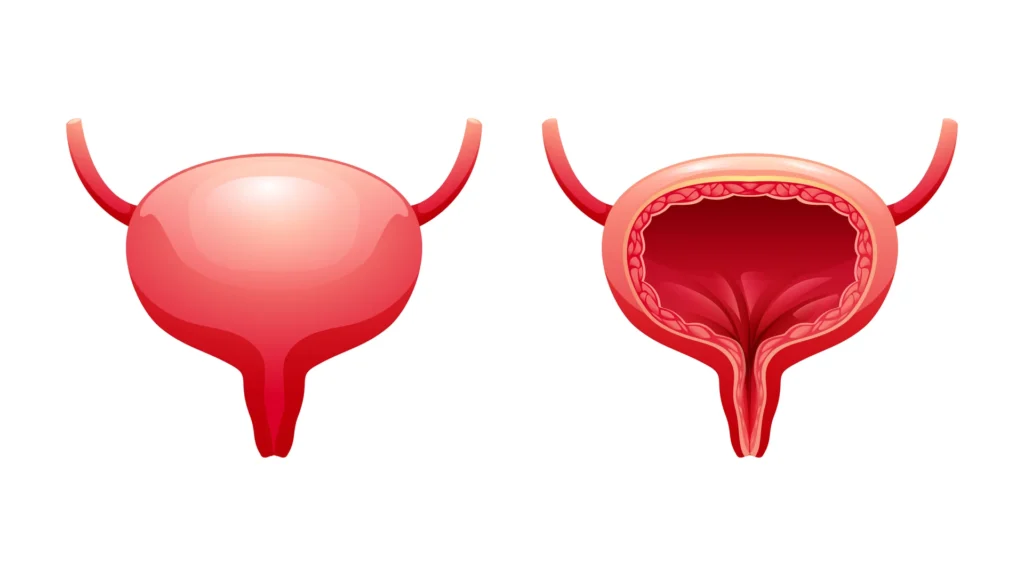
Bladder neck obstruction is a condition in which the normal flow of urine from the bladder is restricted at the level of the bladder neck, where the bladder joins the urethra. This can result in bothersome urinary symptoms that range from mild inconvenience to significant disruption of daily life, sleep, and overall wellbeing. While bladder neck obstruction is more commonly diagnosed in men, it can also affect women. Accurate diagnosis and appropriate treatment can significantly improve symptoms and quality of life.
What Is Bladder Neck Obstruction?
Bladder neck obstruction occurs when the bladder neck fails to open adequately during urination, creating resistance to urine flow. This may be due to abnormal muscle function, scarring, inflammation, or anatomical narrowing. Unlike prostate enlargement, bladder neck obstruction can occur even when the prostate is normal in size.
Symptoms may develop gradually or appear more suddenly, depending on the underlying cause and severity of obstruction.
Common Symptoms
Bladder neck obstruction can cause a range of lower urinary tract symptoms, including:
● Difficulty starting urination
● A weak or slow urine stream
● Intermittent or interrupted flow
● A sensation of incomplete bladder emptying
● Increased urinary frequency
● Urgency to pass urine
● Waking at night to urinate (nocturia)
● Post-void dribbling
Some individuals experience predominantly voiding symptoms, while others may also have storage-related symptoms.
Assessment and Investigation
A detailed and structured assessment is essential to confirm the diagnosis of bladder neck obstruction and to distinguish it from other causes of urinary symptoms.
Mr Jeremy Nettleton provides comprehensive evaluation for patients with suspected bladder neck obstruction. Assessment begins with a thorough consultation to explore symptom history, severity, and impact on daily activities.
Investigations may include:
● Symptom scoring questionnaires
● A bladder diary
● Urinary flow rate testing
● Bladder scanning to measure residual urine
● Blood tests, including PSA in men where appropriate
● Ultrasound imaging of the urinary tract
● Flexible cystoscopy to directly assess the bladder neck
● Urodynamic studies in selected cases
These investigations help determine the precise cause of obstruction and guide treatment planning.
Management and Treatment Options
Initial management of bladder neck obstruction may include medication aimed at relaxing the bladder neck and improving urine flow. Lifestyle advice may also help reduce symptom burden in selected patients.
If symptoms persist or obstruction is significant, surgical intervention may be recommended. Treatment decisions are based on symptom severity, investigation findings, overall health, and patient preference.
Bladder Neck Incision (BNI)
Bladder neck incision is a minimally invasive surgical procedure used to treat bladder neck obstruction. It involves making small incisions at the bladder neck to reduce resistance and improve urine flow.
Mr Nettleton has extensive experience in performing bladder neck incision using modern endoscopic techniques. The procedure is typically performed as a day case and offers good long-term symptom improvement in appropriately selected patients, with a low risk of complications.
Flexible Cystoscopy
Flexible cystoscopy is a quick outpatient procedure performed under local anaesthetic that allows direct visualisation of the urethra, bladder neck, and bladder. It is generally well tolerated and provides valuable diagnostic information when assessing obstructive urinary symptoms.
Potential Complications if Untreated
Untreated bladder neck obstruction can lead to complications such as:
● Chronic urinary retention
● Recurrent urinary tract infections
● Bladder dysfunction
● Bladder stones
● Kidney impairment in severe cases
Early diagnosis reduces the risk of long-term complications.
When to See a Urologist
Specialist assessment is recommended if urinary symptoms:
● Persist or worsen over time
● Affect sleep or daily activities
● Do not respond to initial treatments
● Are associated with pain, infection, or blood in the urine
Early evaluation allows for accurate diagnosis and timely treatment.
Specialist assessment is recommended if urinary symptoms:
● Persist or worsen over time
● Affect sleep or daily activities
● Do not respond to initial treatments
● Are associated with pain, infection, or blood in the urine
Early evaluation allows for accurate diagnosis and timely treatment.
Book a Consultation
If you are experiencing symptoms suggestive of bladder neck obstruction and would like a clear diagnosis and personalised treatment plan, you are welcome to book a consultation with Mr Jeremy Nettleton, Consultant Urologist. A comprehensive assessment will ensure the most appropriate management options are discussed.