

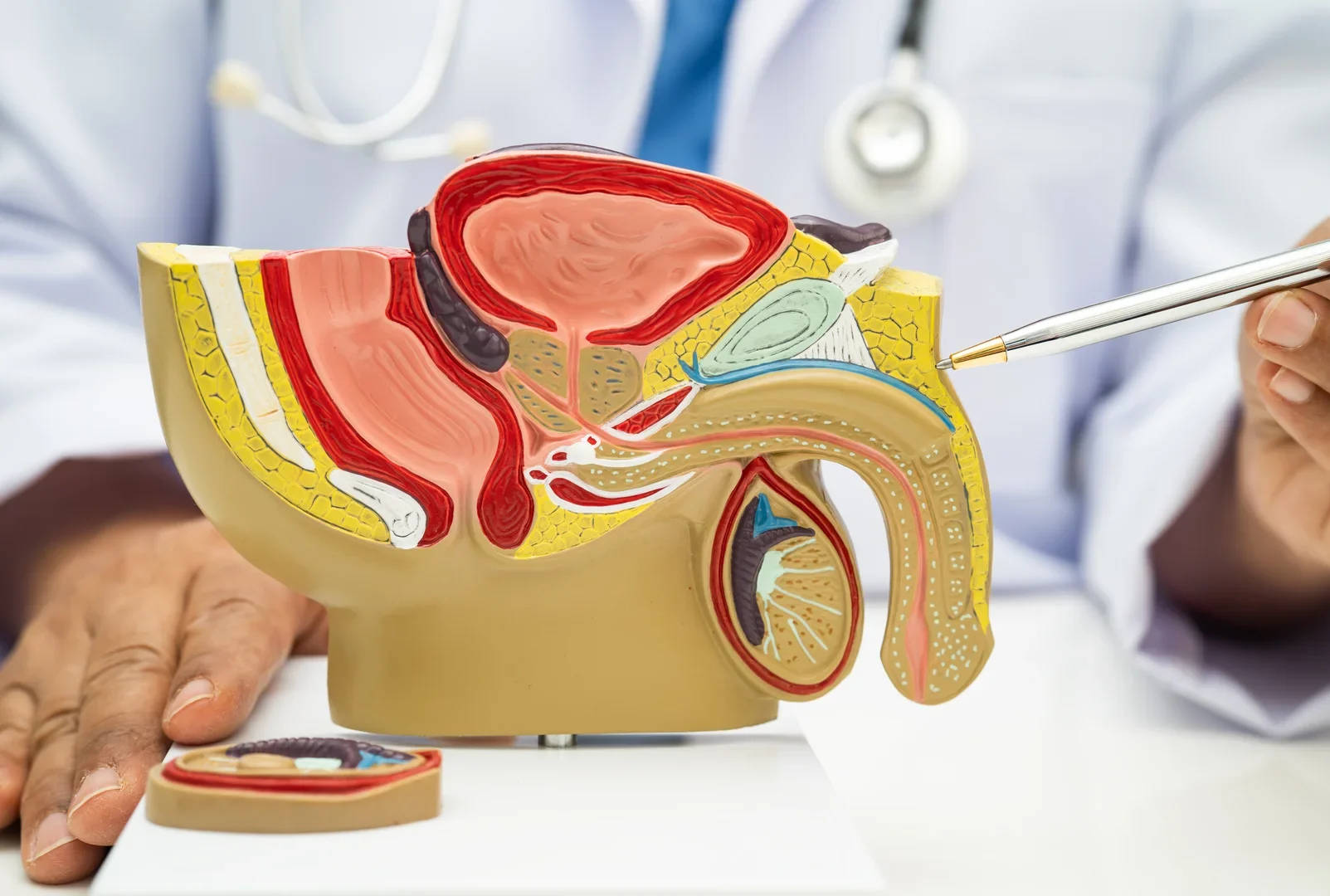
Transurethral resection of the prostate (TURP) is a well-established surgical procedure used to treat non-cancerous enlargement of the prostate gland. This condition, known as benign prostatic hyperplasia (BPH), can cause troublesome urinary symptoms such as difficulty starting urination, a weak stream, or frequent trips to the toilet, particularly at night. TURP involves removing the excess prostate tissue that is blocking the flow of urine.
TURP is performed under either a spinal or general anaesthetic. A thin camera (resectoscope) is passed through the urethra into the bladder, allowing the surgeon to see the prostate directly. A small loop is then used to remove excess prostate tissue using a specialised energy source called Plasma+. This helps restore normal urine flow.
At the end of the operation, a catheter is placed into the bladder to help drain urine and rinse the area. Although TURP can be carried out as a day case, many private patients choose to stay in hospital for one or two nights for additional comfort.
TURP is particularly suitable for men with small to moderately enlarged prostates. It is a good option for patients who are concerned about post-operative bleeding and are less concerned about preserving sexual function. Compared to newer products, TURP offers long-term symptom relief and remains the gold standard for many men whose symptoms have not improved with medication.
Mr Jeremy Nettleton is internationally recognised for his expertise in performing TURP as a day case procedure. He has helped establish Cheltenham General Hospital as a European reference centre for this technique and regularly teaches other surgeons in the UK and abroad. His high volume practice and commitment to training are considered strong indicators of surgical quality and patient outcomes.
There are several surgical and non-surgical options available for managing benign prostatic enlargement. These include:
• Medication such as alpha-blockers or 5-alpha reductase inhibitors to relax or shrink the prostate
• Minimally invasive procedures such as UroLift and Rezūm, suitable for selected patients
• Laser treatments such as HoLEP (Holmium Laser Enucleation of the Prostate)
• TURP is often recommended for men who are not suitable for other techniques or who want a proven, effective option
The most suitable treatment depends on prostate size, symptom severity, general health, and personal preferences. Mr Nettleton will guide you through the options and help you decide on the best plan for your needs.
Clear guidance for patients seeking expert hip and knee treatment, from diagnosis to recovery.
Most patients recover well within 4 to 6 weeks. You may feel tired or notice changes in urination for a short time after this procedure. Most men can return to work and daily activities within 1 to 2 weeks, depending on the nature of their job.
TURP is often a good choice for men with small to moderately enlarged prostates who want a reliable, long term solution for urinary symptoms. It may be especially suitable if you are not concerned about changes to ejaculation and want to minimise the risk of bleeding. Mr Nettleton will assess your prostate size, overall health, and preferences before recommending this procedure.
TURP can affect ejaculation, causing semen to flow backwards into the bladder (retrograde ejaculation), which is harmless but may impact fertility. Erections are generally not affected, but this varies from person to person. If preserving sexual function is important to you, other treatment options may be discussed.
TURP provides long-lasting relief for most men. In some cases, the prostate may continue to grow, and further treatment might be needed years later. However, the majority of patients experience many years of symptom improvement.
As with any surgery, there are some risks. These may include bleeding, infection, temporary difficulty urinating, or in rare cases, incontinence. Mr Nettleton will talk you through these risks and answer any specific questions during your consultation.

